Aktiv360 | Quality, Compliance, Process Consultancy | Corporate Solutions Focused on GMP, Regulations, Validation, and Audits
×
All rights reserved. All content and visuals used on this website
are the property of Aktiv360 Consulting, and any unauthorized use is subject to legal action.
İnviva
 Aktiv360 | Quality, Compliance, Process Consultancy | Corporate Solutions Focused on GMP, Regulations, Validation, and Audits

Aktiv360 Compliance & Consulting
Your Solution Partner in Quality and Processes
360° Compliance, Sustainable Strength

GMP-Compliant Quality Management Systems: Fundamentals, Benefits, and Implementation Stages

GMP-compliant quality management systems form the foundation that ensures product safety and regulatory compliance in pharmaceutical, dietary supplement, herbal product, cosmetic, and medical manufacturing sectors.
GMP is not merely a set of regulations; it is a management approach that defines a facility’s culture, production discipline, and sustainable quality performance.

A properly established quality system does not simply detect errors; it proactively prevents them from occurring.

Fundamentals of GMP Quality Management Systems

1. Documentation and Procedure Management:
A structure where every step is written, approved, and traceable: SOPs, instructions, forms, records, validation files, and risk analyses.

2. Personnel Training and Competency:
Quality culture begins with the knowledge level of teams. GMP principles, hygiene, cross-contamination prevention, and process control training form the backbone of the system.

3. Manufacturing and Process Control:
Identification of all parameters affecting product quality
- Standardization of critical process steps
- Control mechanisms for production lines, equipment, and cleanrooms

4. Microbiological and Environmental Control:
Cleanroom classifications, particle measurements, microbial load monitoring, and HVAC assessments are mandatory GMP requirements.

5. Quality Assurance (QA):
Processes such as batch record review, deviation management, CAPA, change control, and internal audits constitute the safety net of the quality system.

6. Supplier and Raw Material Management
Approved supplier systems, technical agreements, raw material compliance testing, and traceability chains are critical GMP components.

Benefits of GMP-Compliant Systems

1. Product Safety and Consistency:
Products of consistent quality, safety, and compliance are achieved in every production batch.

2. Regulatory Compliance:
An infrastructure that meets TİTCK, FDA, EMA, ISO, and PIC/S expectations protects organizations even during unannounced inspections.

3. Operational Efficiency:
A well-designed quality system reduces unnecessary repetition, errors, downtime, and cost losses.

4. Risk Management:
Enables proactive management of risks such as contamination, process deviations, non-compliant raw materials, and inaccurate records.

5. Corporate Trust and Brand Value:
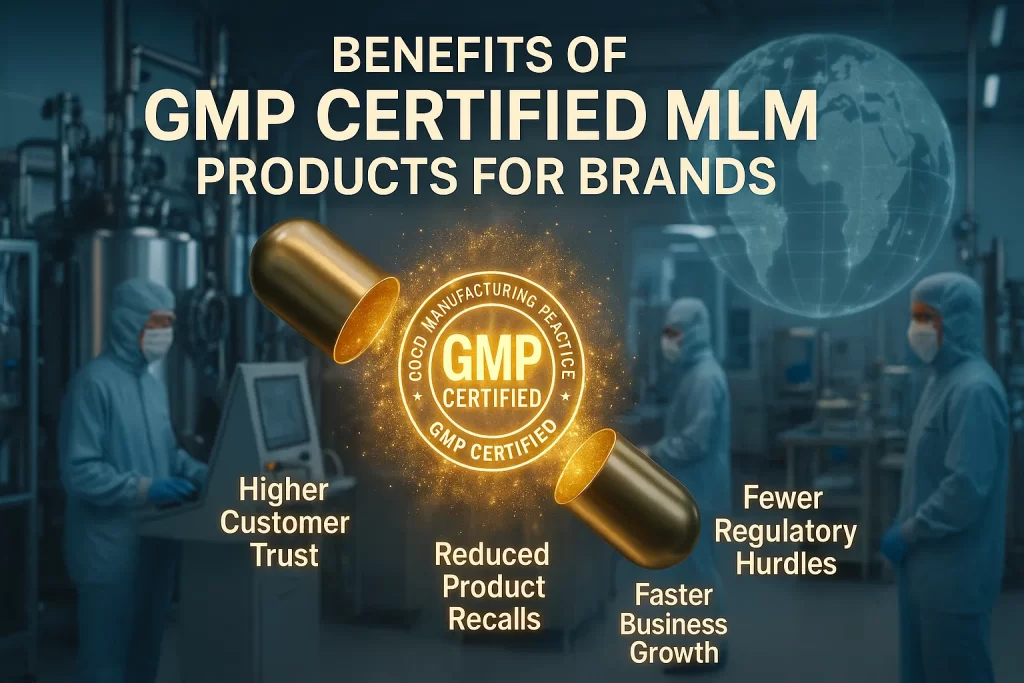
GMP compliance is one of the strongest indicators of trust for investors, customers, and global business partners.

GMP Implementation Stages

For a quality management system to be effective in practice, a structured implementation approach is required.

1. Current State Analysis (Gap Assessment):
Evaluation of the facility, processes, and documentation against GMP requirements.

2. Strategic Roadmap:
Prioritization of gaps, planning of implementation steps, and assignment of responsibilities.

3. Establishment of the Documentation System:
Development of SOPs, instructions, forms, and the quality manual.

4. Process Standardization:
Control of manufacturing, storage, laboratory, cleaning, sanitation, validation, and maintenance activities.

5. Implementation of Training Programs:
Ensuring all personnel are qualified through role-based GMP training.

6. Validation and Qualification Activities:
Verification of equipment, facilities, software, processes, and cleaning methods in line with GMP requirements.

7. Internal Audit and Continuous Improvement:
Regular review of the system, analysis of deviations, and execution of CAPA processes.

Who Needs GMP-Compliant Quality Management Systems?

- Companies establishing new manufacturing facilities
- Manufacturers aiming to enter international markets
- Organizations receiving non-compliances during inspections
- Brands seeking to expand or diversify production capacity
- Companies manufacturing under or outsourcing through a CDMO model

Current Information