Aktiv360 | Quality, Compliance, Process Consultancy | Corporate Solutions Focused on GMP, Regulations, Validation, and Audits
×
All rights reserved. All content and visuals used on this website
are the property of Aktiv360 Consulting, and any unauthorized use is subject to legal action.
İnviva
 Aktiv360 | Quality, Compliance, Process Consultancy | Corporate Solutions Focused on GMP, Regulations, Validation, and Audits

Aktiv360 Compliance & Consulting
Your Solution Partner in Quality and Processes
360° Compliance, Sustainable Strength

What Is Microbiology and Environmental Monitoring? Why Is It Critically Important for Manufacturing Facilities?

Microbiology and environmental monitoring are fundamental quality systems that directly affect product safety in pharmaceutical, dietary supplement, cosmetic, and food manufacturing facilities. Monitoring microorganisms, particles, and environmental parameters in production areas is an integral part of both regulatory requirements and GMP compliance.

An improperly managed environmental monitoring program allows even minor deviations to turn into major quality risks. For this reason, all authorities — TİTCK, FDA, EMA, and PIC/S — define environmental monitoring as a critical GMP topic.

What Does Microbiology and Environmental Monitoring Include?

1. Microbiological Monitoring:
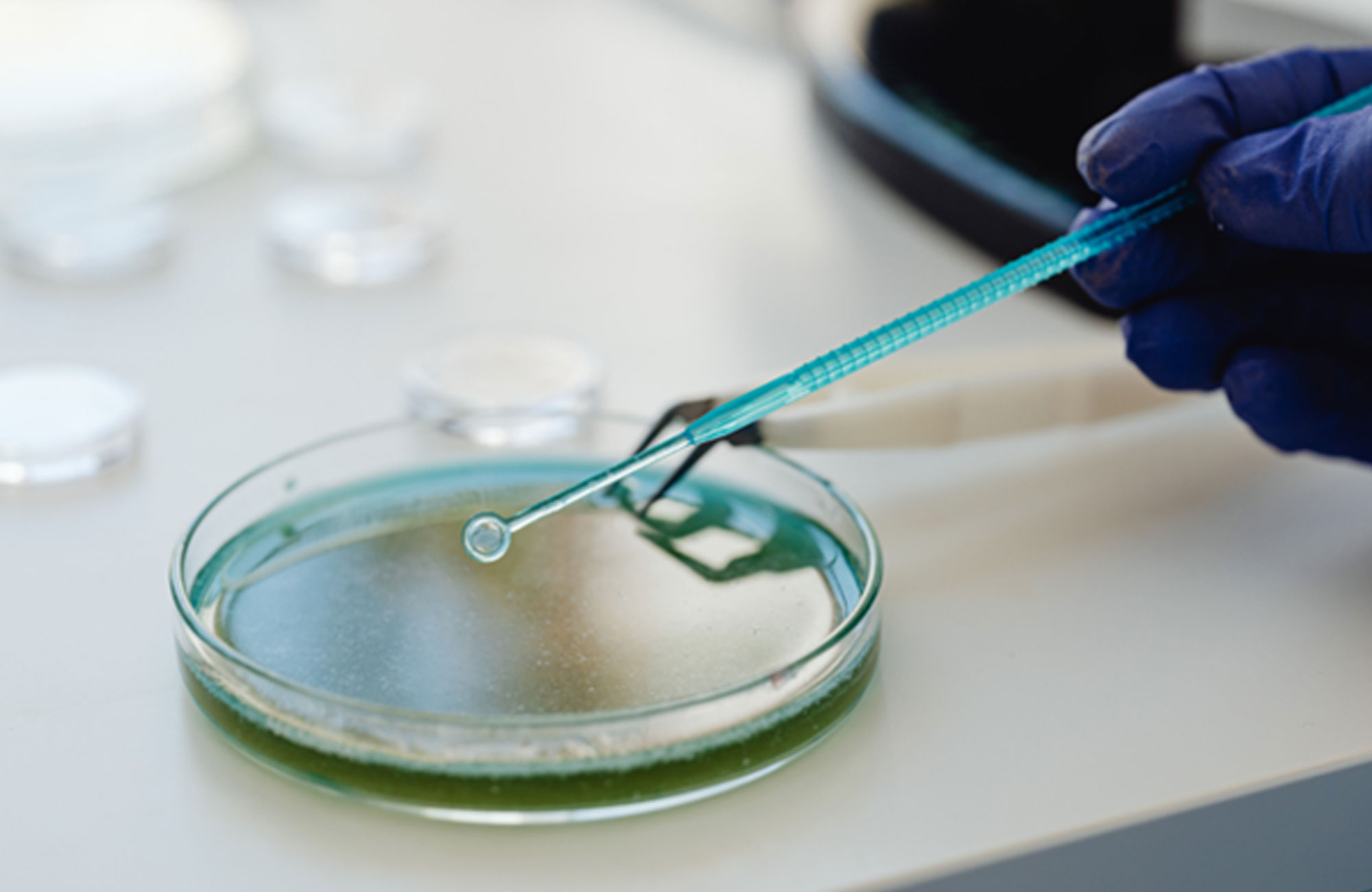
Air and surface microbial load monitoring
- Personnel hygiene controls
- Microbial limit testing of products and in-process materials
- Water system microbiology (PW, HPW, WFI)

2. Environmental Monitoring:
Monitoring of temperature, humidity, and pressure differentials
- Particle counting (cleanroom classifications)
- HVAC performance control
- Cleaning and disinfection validations

Together, these two areas form the facility’s invisible yet strongest line of defense.

Why Is It Critical for Manufacturing Facilities?

1. Product Safety: Microbial contamination can lead to spoilage, loss of efficacy, toxic effects, or product recalls. Proper environmental monitoring prevents these risks before they arise.
2. GMP Compliance: Regulatory authorities review environmental monitoring results during every inspection. Inadequate or incomplete records may result in major or critical findings.
3. Brand Reliability: Contamination-related issues can damage years of brand value in a single incident.
4. Operational Continuity: Weak microbiological control leads to production stoppages, quarantine processes, and costly corrective actions. A robust system ensures uninterrupted manufacturing flow.

What Should an Effective Microbiology and Environmental Monitoring System Look Like?

- Monitoring plans aligned with facility design
- Identification of critical control points based on risk analysis
- Validated analytical methods
- Qualified teams and continuous training
- Proactive management through data trending analysis
- Full compliance with authority expectations: GMP, ISO 14644, EP/USP requirements

A properly established system not only prevents contamination but also strengthens the facility’s overall quality culture.

Current Information